

12 Nutrient-Rich Foods Commonly Included in Reproductive Health Nutrition
This article is for general educational purposes only and does not constitute medical or nutritional advice. Individual health needs vary. Please consult a qualified health practitioner before making dietary changes, particularly when planning for pregnancy.
Nutrition plays an important role in overall health, including reproductive health. Rather than focusing on individual foods as solutions, nutritional care considers dietary patterns, nutrient intake, and individual needs across different life stages.
During preconception, pregnancy planning, and beyond, a balanced and varied diet can support the body’s normal physiological processes. The foods below are commonly discussed in reproductive health nutrition due to their nutrient profile and contribution to general wellbeing.
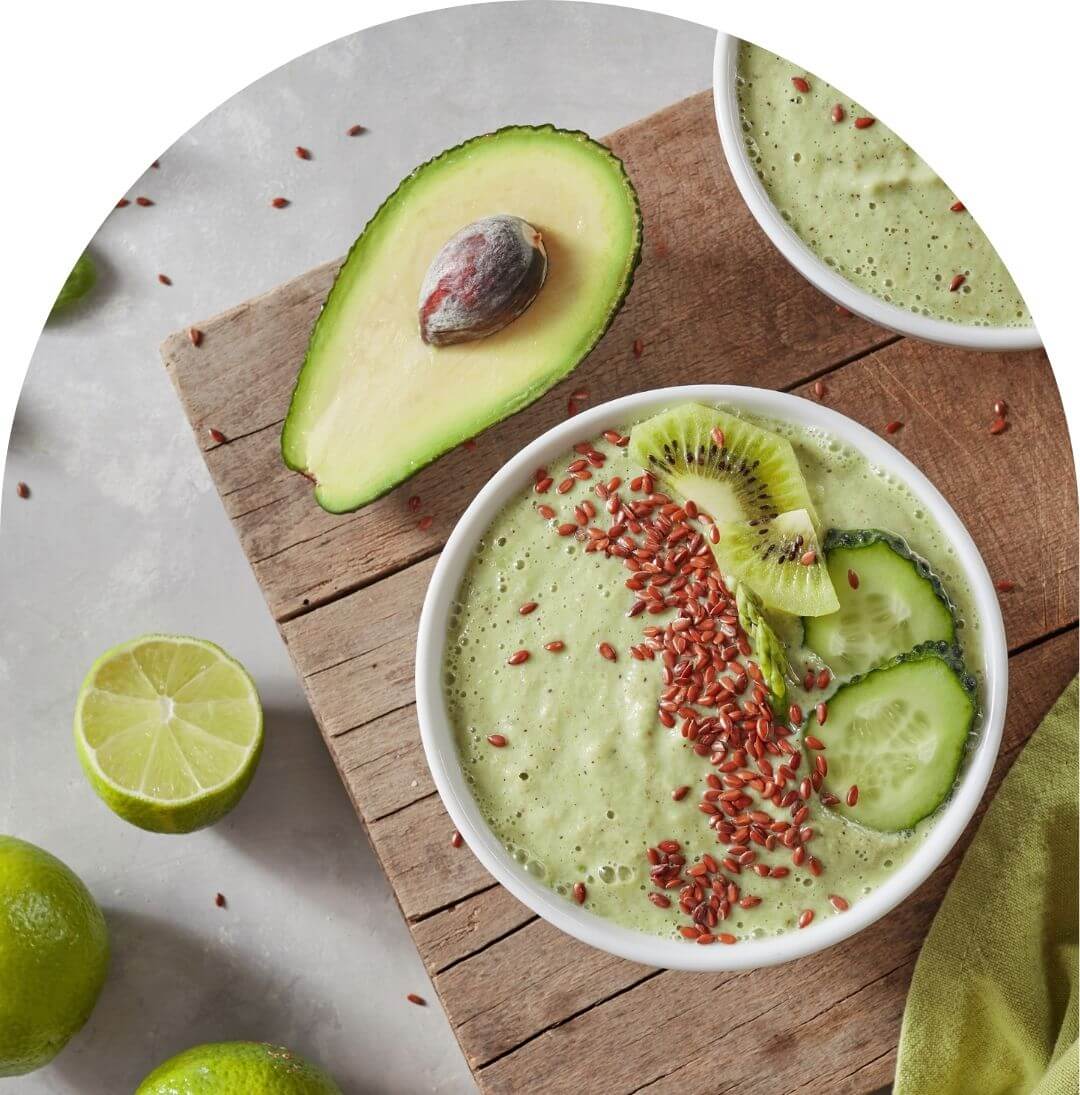
1. Avocado
Avocado is a source of monounsaturated fats, fibre, and several vitamins including folate and vitamin E. These nutrients are involved in normal cellular function and overall dietary balance. Including healthy fats as part of a varied diet supports nutrient absorption and satiety.
Nutrients include: fibre, folate, vitamin E, potassium, healthy fats
How to include: sliced in salads, mashed on wholegrain toast, added to meals as a source of dietary fat

2. Eggs
Eggs provide protein and nutrients such as choline, vitamin B12, and iodine. Protein plays a role in maintaining muscle mass and supporting normal body functions, while choline is involved in cell structure and nerve function.
Nutrients include: protein, choline, iodine, vitamin B12
How to include: boiled, poached, scrambled, or incorporated into meals

3. Berries
Berries are a source of fibre and antioxidants, including vitamin C. Antioxidants help protect cells from oxidative stress as part of normal body processes.
Nutrients include: fibre, vitamin C, antioxidants
How to include: fresh or frozen in breakfasts, snacks, or smoothies
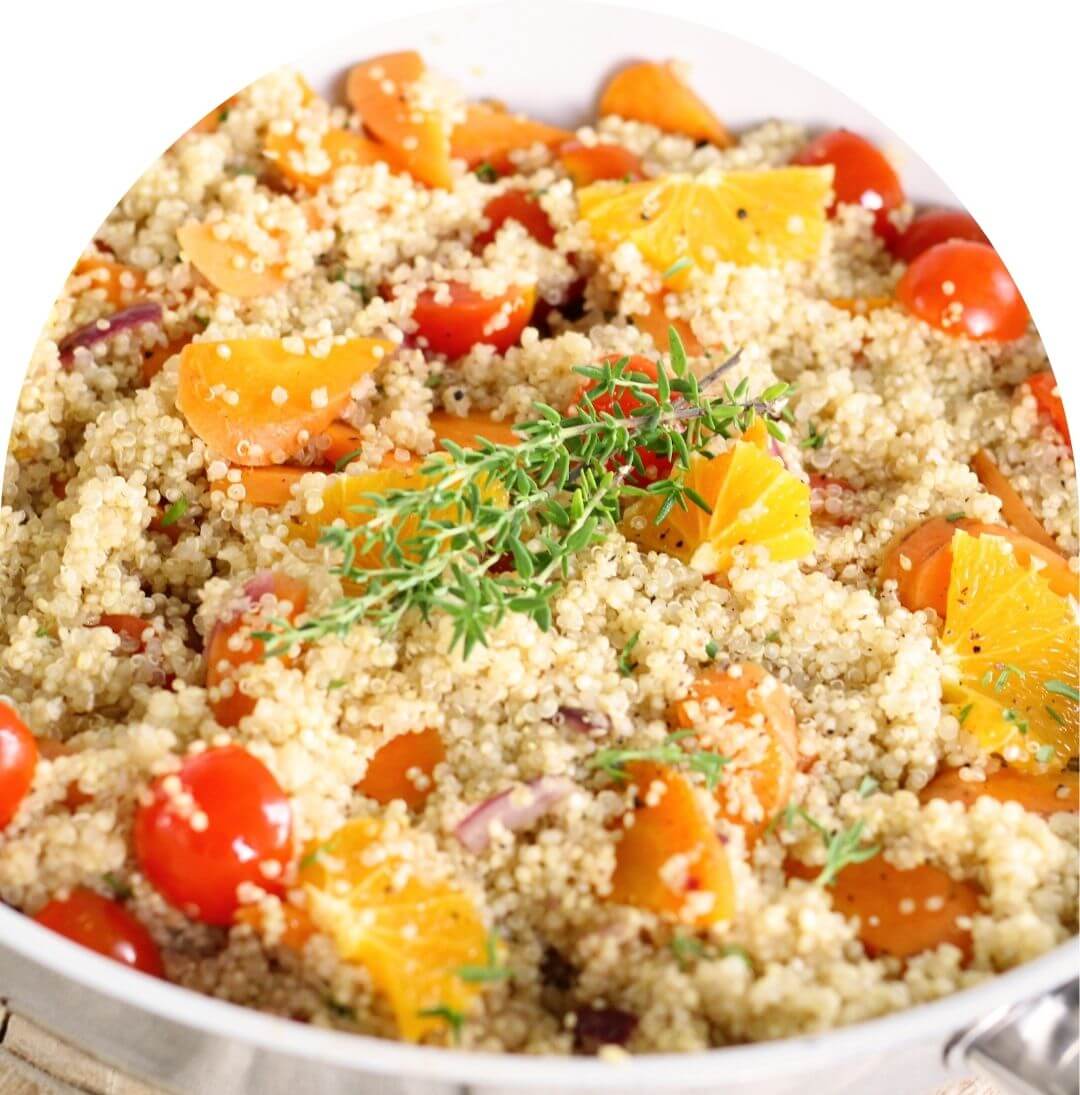
4. Quinoa
Quinoa is a gluten-free seed that contains carbohydrates, protein, and fibre. It also provides minerals such as zinc and magnesium, which are involved in normal metabolic processes.
Nutrients include: protein, fibre, magnesium, zinc
How to include: as a grain alternative in salads or warm meals
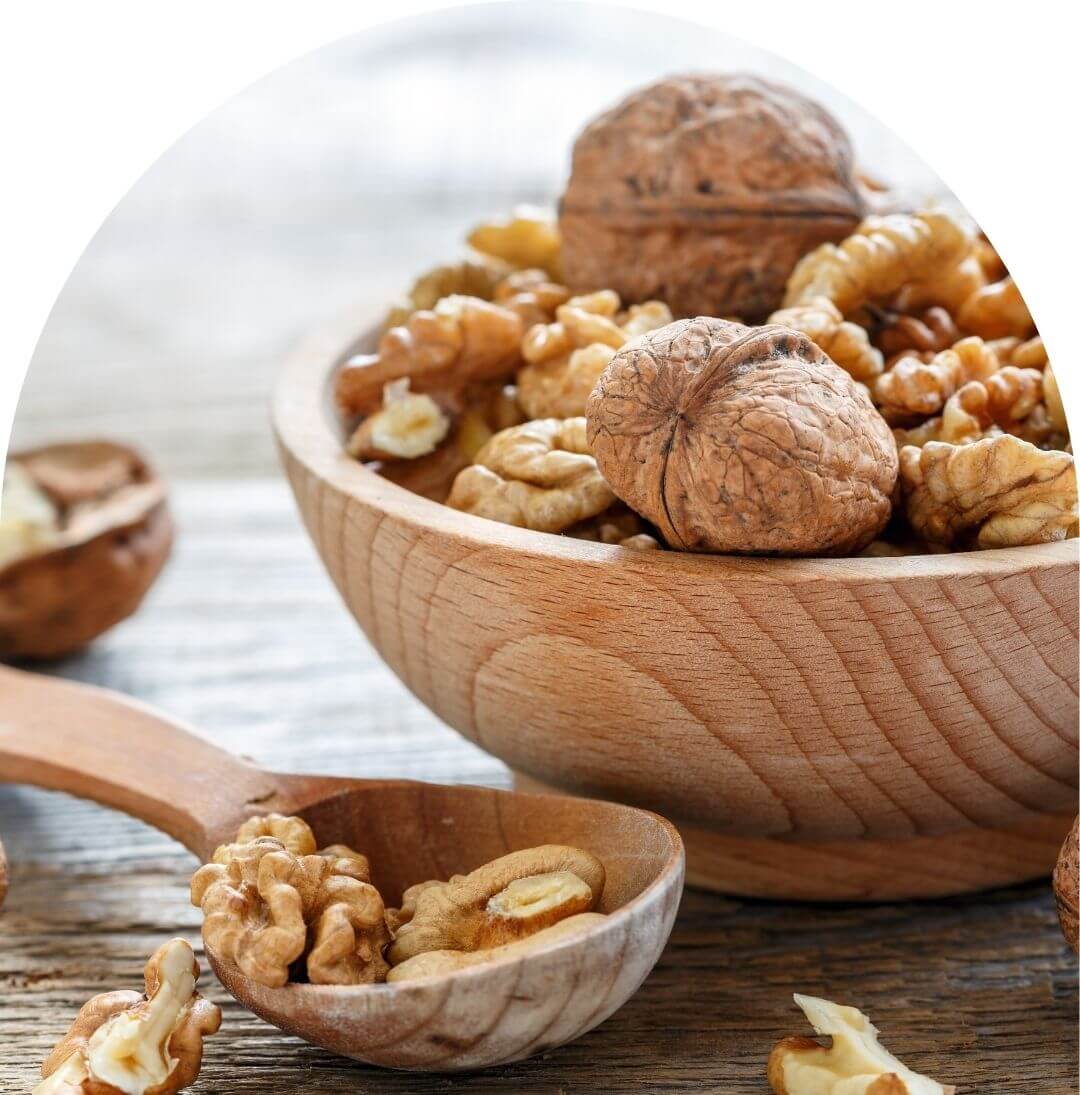
5. Walnuts
Walnuts contain polyunsaturated fats, including omega-3 fatty acids, as well as fibre and magnesium. Dietary fats are part of normal energy intake and cellular structure.
Nutrients include: omega-3 fats, fibre, magnesium
How to include: eaten as a snack or added to meals for texture and flavour

6. Salmon
Salmon is a source of protein and omega-3 fatty acids, which contribute to normal cell membrane function. Fatty fish is commonly included in balanced dietary patterns.
Nutrients include: protein, omega-3 fatty acids, vitamin B12
How to include: grilled, baked, or incorporated into meals 1–2 times per week
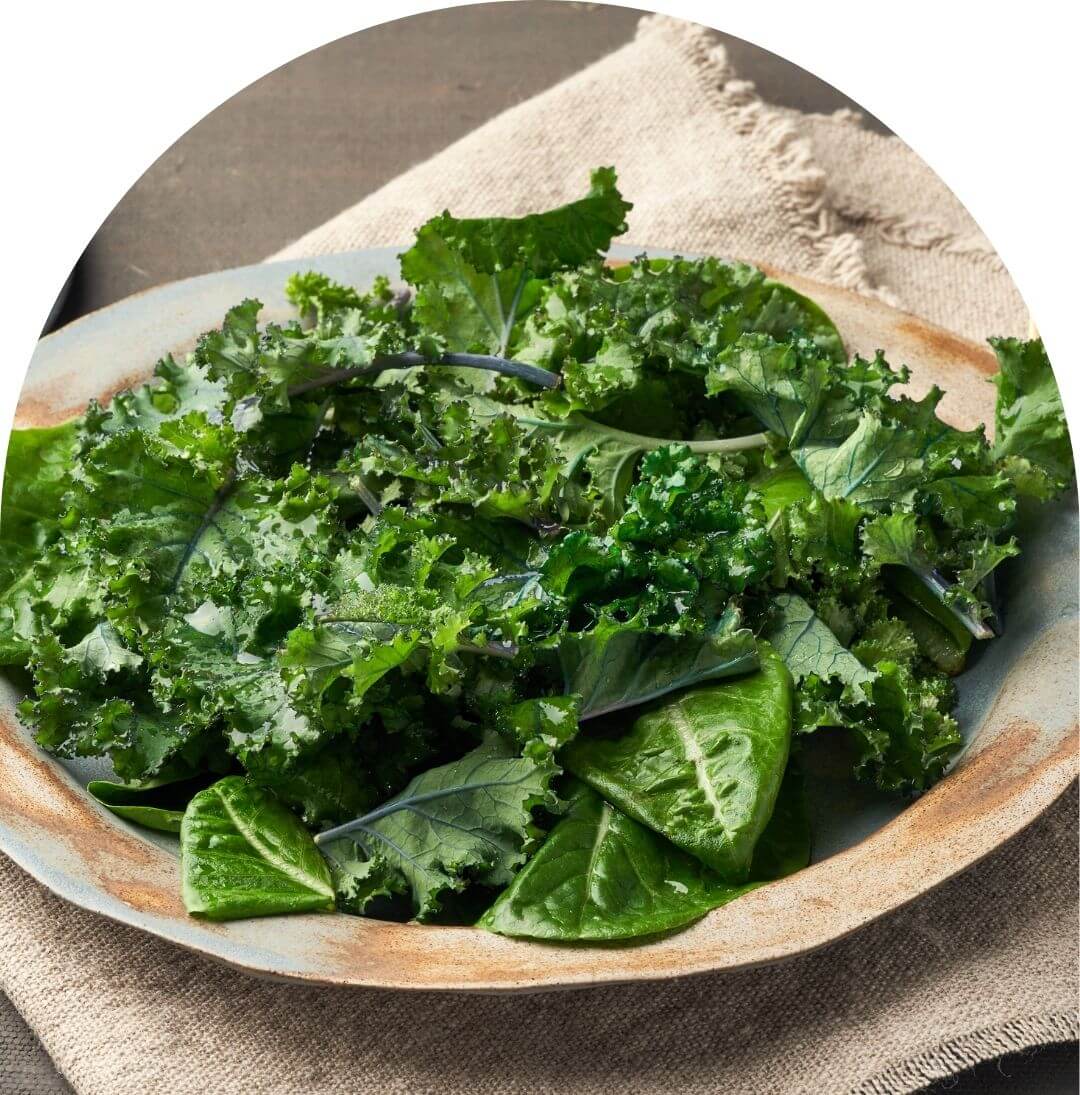
7. Green leafy vegetables
Leafy greens such as spinach, kale, and rocket provide fibre, folate, and a range of vitamins and minerals. These nutrients support general health and digestive function.
Nutrients include: folate, fibre, vitamin C, iron
How to include: salads, smoothies, stir-fries, or cooked dishes
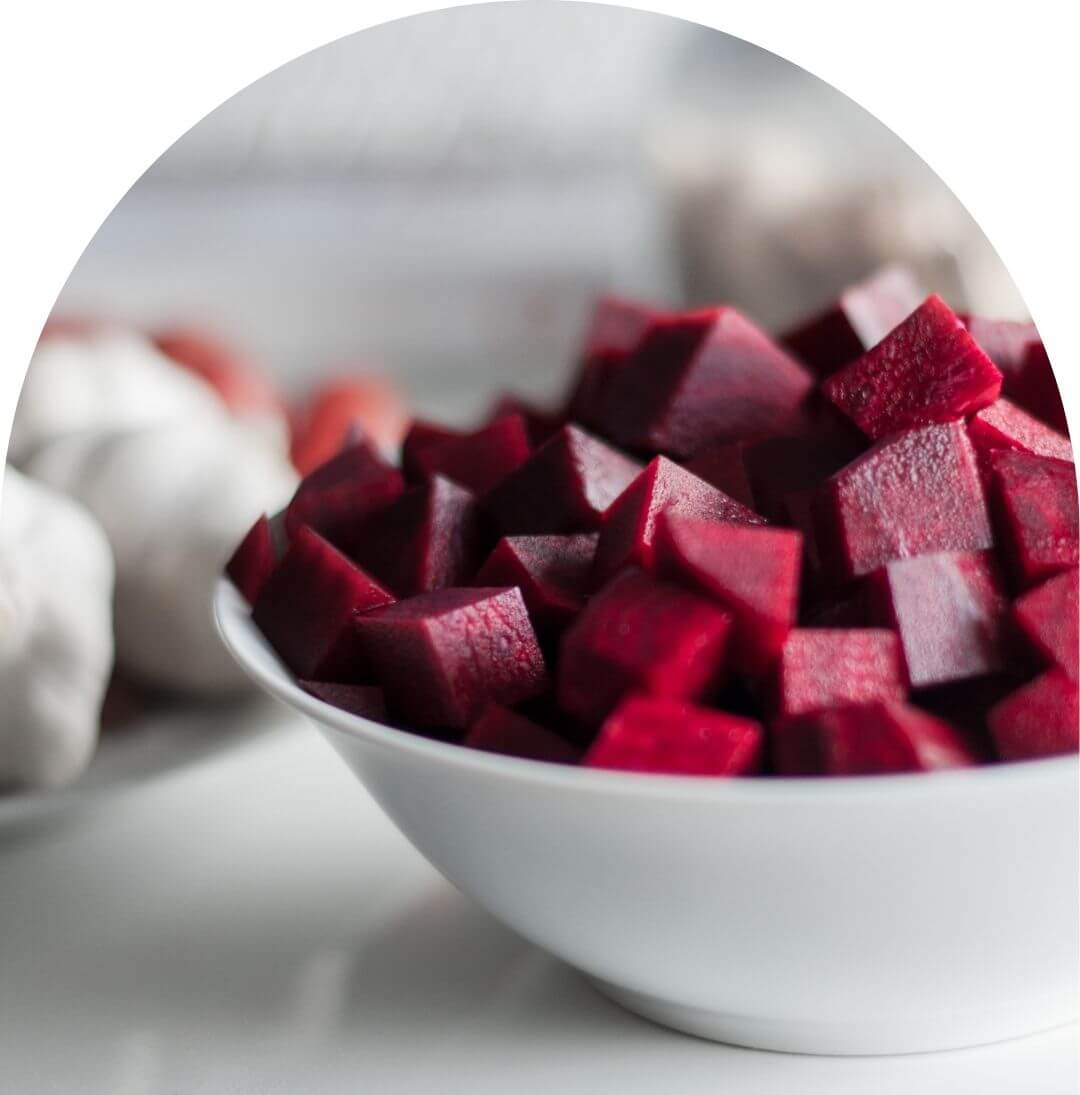
8. Beetroot & Beet Greens
Beetroot contains fibre, folate, and plant compounds that contribute to general nutritional intake. It is often included in varied diets for colour, flavour, and nutrient diversity.
Nutrients include: fibre, folate, vitamin C
How to include: roasted, grated raw, or added to salads
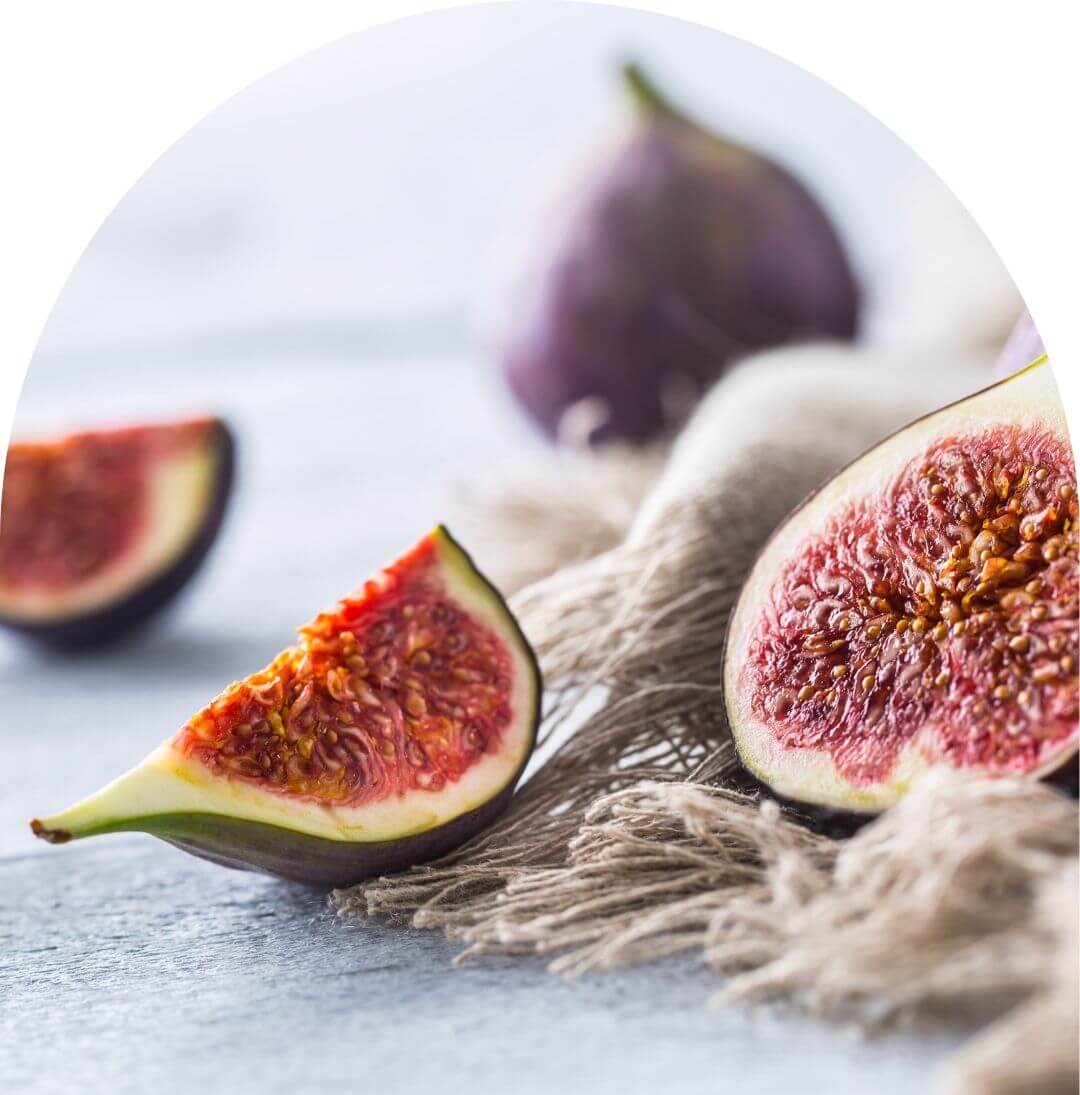
9. Figs
Figs provide fibre and minerals such as potassium and iron. They can be included seasonally as part of a varied fruit intake.
Nutrients include: fibre, potassium, iron
How to include: fresh when in season or dried in moderation

10. Oysters
Oysters are a source of zinc and selenium, minerals involved in normal immune and metabolic function.
Nutrients include: zinc, selenium
How to include: occasionally as part of a balanced diet
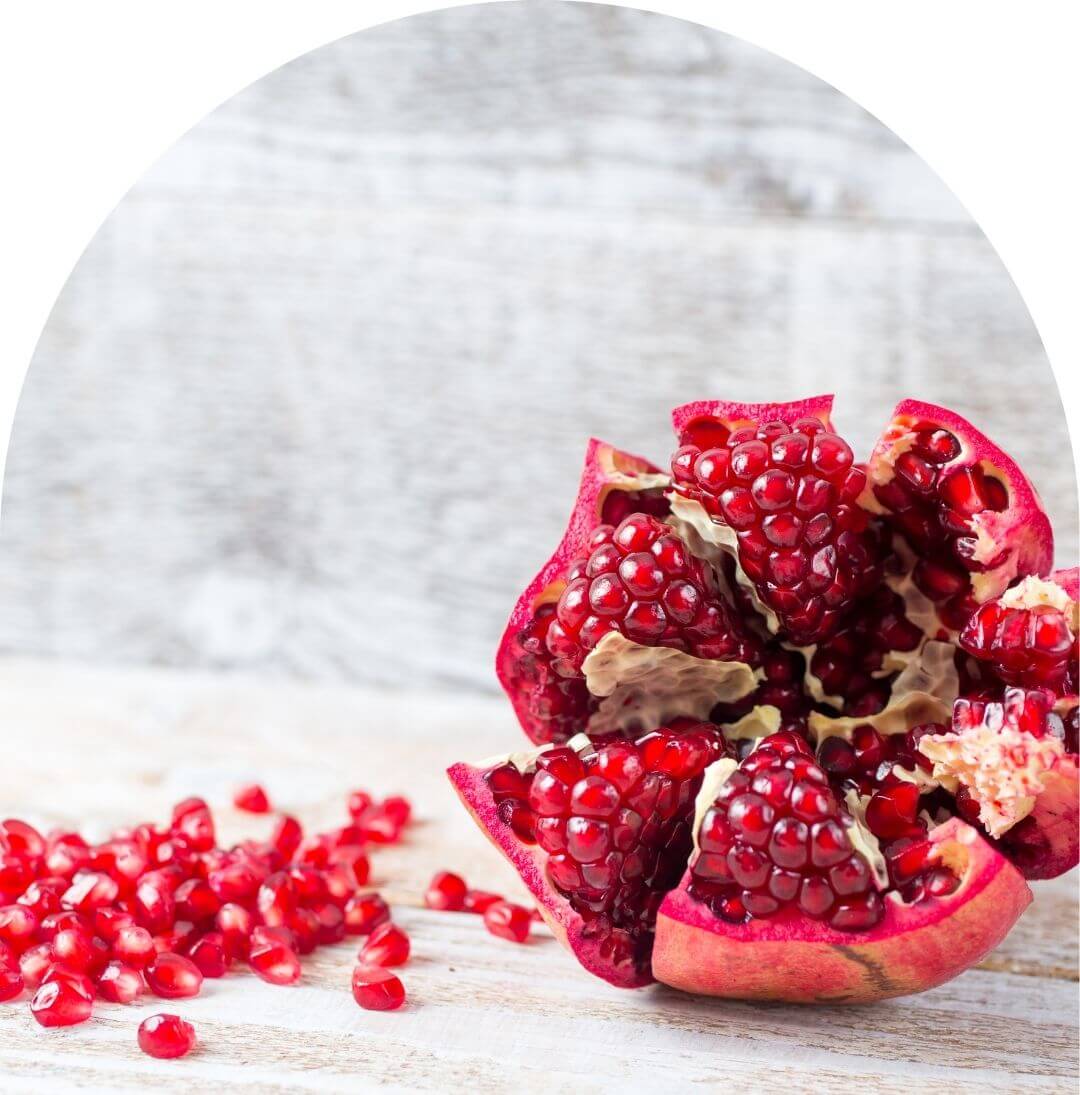
11. Pomegranates
Pomegranate provides vitamin C and plant antioxidants. Including a variety of fruits helps support overall nutrient intake.
Nutrients include: vitamin C, antioxidants
How to include: fresh seeds or juice in moderation
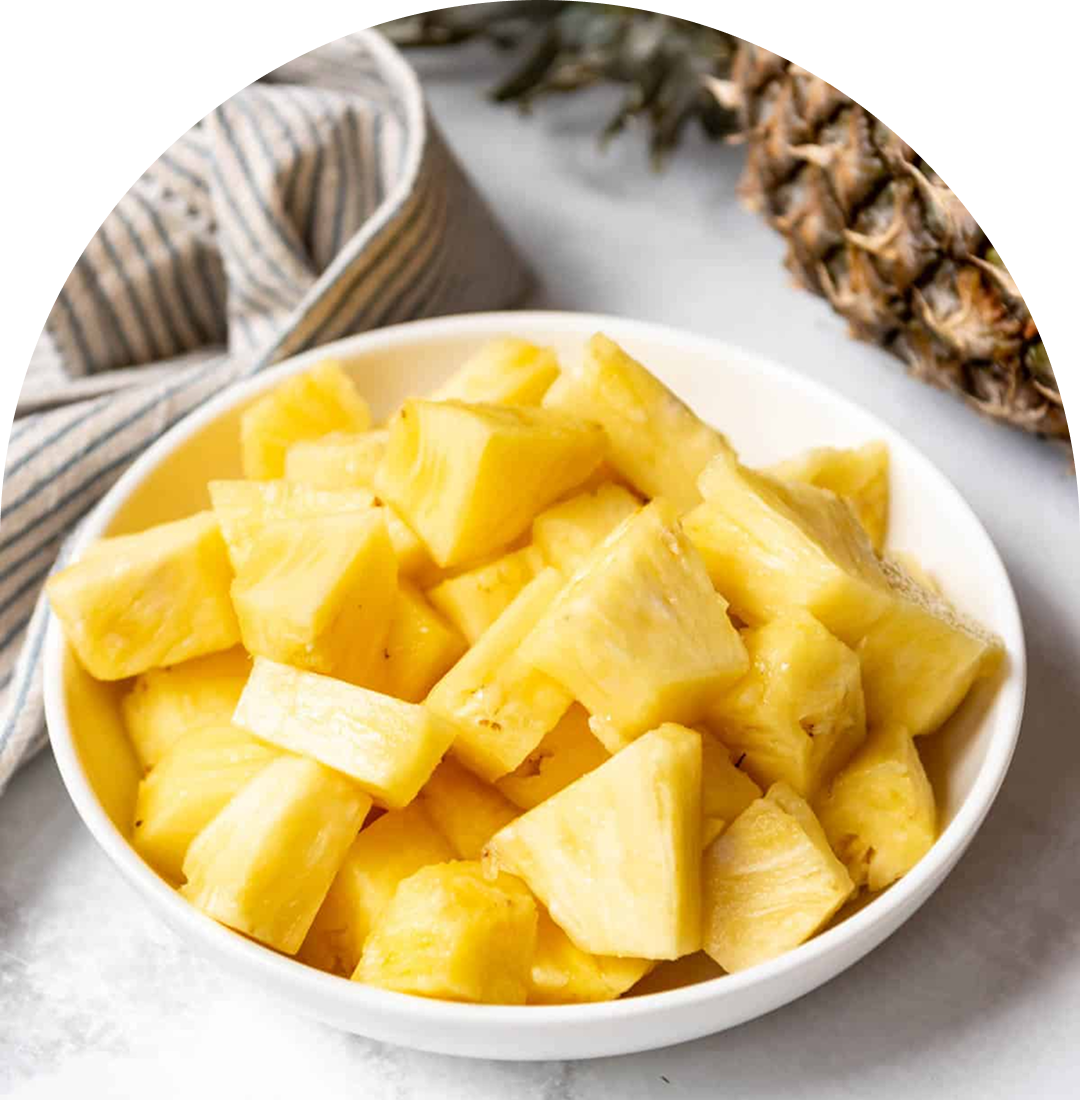
12. Pineapple
Pineapple contains vitamin C and fibre. Like all fruits, it contributes to hydration and dietary variety.
Nutrients include: vitamin C, fibre
How to include: fresh, frozen, or added to meals as desired
A Balanced Approach to Nutrition
Nutrition support is most effective when tailored to the individual. Factors such as health history, lifestyle, dietary preferences, and existing medical care should always be considered.
Rather than focusing on individual foods as solutions, a whole-diet approach that prioritises variety, adequacy, and sustainability is key.
Dr Miranda Myles, Naturopath and Acupuncturist, works with individuals and couples navigating fertility and reproductive health. Care is focused on supporting overall health and wellbeing during preconception and beyond.
Consultations are tailored to the individual and provided within a supportive clinical environment.