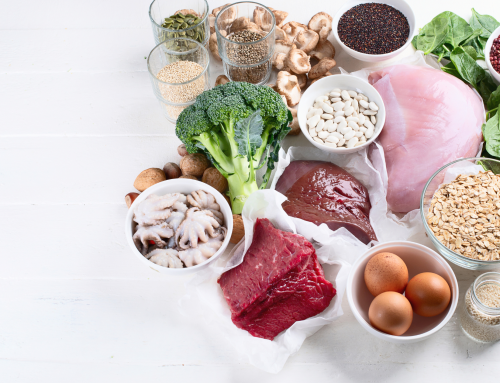
Food is one of many factors that can influence how the body and mind function. Nutrition plays a role in brain chemistry, gut function, and energy regulation, and is often discussed in relation to overall mental and emotional wellbeing.
Different foods can affect people in different ways. Some dietary patterns are commonly associated with feeling more settled or supported, while others may be less helpful for certain individuals. Responses vary, and there is no single approach that works for everyone.
Lifestyle factors such as movement, sleep, stress management, and hydration all contribute to wellbeing, and nutrition sits alongside these as part of a broader, whole-person picture. Understanding how food choices interact with individual physiology can help inform more considered, personalised decisions.
The Harmers; bring on the anxiety & panic

Caffeine
You probably already know this — but it’s worth repeating.
When people feel anxious or on edge, they often notice they’re more sensitive to stimulants like caffeine and sugar. For some, these can be associated with sensations such as feeling wired, jittery, shaky, or uncomfortable in the body.
Responses to caffeine vary widely. Some people tolerate small amounts, while others notice effects even at low intakes. There’s no universal “right” amount — awareness of individual response matters more than numbers.
Adding large amounts of sugar alongside caffeine can amplify these effects for some people, particularly when energy levels and nervous system resilience are already stretched.
Paying attention to how your body responds — rather than pushing through — can be a useful starting point.

Refined Sugar
The other white powder we don’t talk about enough: added sugar.
Like caffeine, refined sugars can be highly stimulating for some people, particularly when the nervous system is already under strain. Many people notice that foods high in added sugars are associated with energy spikes, crashes, and feeling more wired or unsettled.
Sugars that naturally occur in whole foods — such as fruits, vegetables, and dairy — come packaged with fibre, protein, and micronutrients, which changes how the body processes them. In contrast, sugars that are extracted from their original source and added to foods for sweetness, flavour, or shelf life are often discussed differently in nutrition research.
Rather than focusing on strict rules or numbers, awareness of overall intake and food quality is key. Paying attention to how added sugars show up in your diet — and how your body responds — can be a useful starting point for more informed choices.

Alcohol
This one matters — and it’s tricky. For many people, a drink can feel like the fastest way to unwind at the end of the day.
Alcohol is commonly discussed in research for its short-term relaxing effects, but it’s also known to interact with neurotransmitters involved in mood and stress regulation. Some people notice that while alcohol may feel calming initially, it can be followed by feeling more unsettled, wired, or anxious once its effects wear off.
Responses vary widely. For some, small amounts feel manageable; for others, even modest intake is associated with disrupted sleep, low mood, or increased nervous system sensitivity the following day. Timing, quantity, stress levels, and overall health all play a role.
During periods of heightened stress or anxiety, some people choose to reduce or pause alcohol intake to observe how their body responds. Rather than rigid rules, awareness of personal patterns and effects can be a helpful starting point.
The Healers; eat your way to peace and calm
Magnesium
Magnesium is an essential mineral involved in many physiological processes, including muscle function, nervous system signalling, and energy metabolism. It is also involved in pathways related to several neurotransmitters that play a role in mood, stress responses, and overall neurological function.
Low magnesium intake has been discussed in research in relation to symptoms such as fatigue, sleep disturbance, and muscle tension. Some people also notice physical signs such as muscle tightness or twitching when dietary intake is low, although experiences vary widely between individuals.
Including magnesium-rich foods as part of a balanced diet is one way to support general nutritional adequacy. In some circumstances, magnesium supplements may be considered, ideally in consultation with a qualified healthcare practitioner, particularly where individual needs or sensitivities are present.
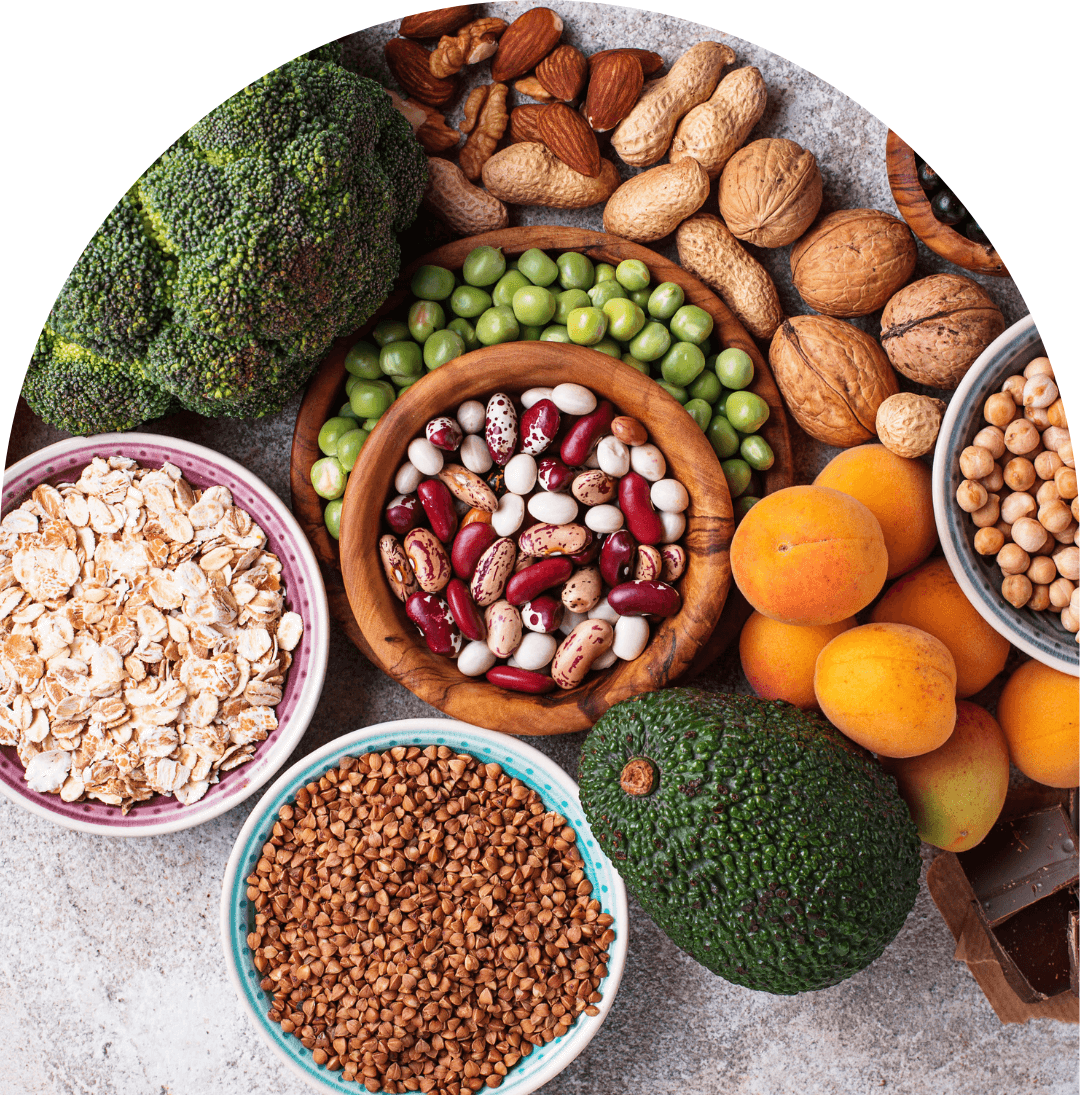
Foods rich in magnesium: walnuts, almonds (nuts generally), dark green leafy vegetables (spinach & baby spinach, rocket, kale, bok-choy, silver beet, broccoli, brussel sprouts, mustard and collard greens), dark chocolate, pumpkin seeds, black beans, avocado, yogurt, bananas, rolled oats
B Vitamins (B3, B6, B12 & Folate)
B vitamins are involved in a wide range of physiological processes, including energy metabolism, nervous system function, and cellular health. Several B vitamins are also discussed in the scientific literature in relation to neurotransmitter pathways and overall mental wellbeing.
Research has explored associations between B vitamin status — including vitamins B12, B9 (folate), and B6 — and mood-related processes. These nutrients are commonly included in discussions around nutritional adequacy and general wellbeing across different life stages.
Vitamin B5 is involved in energy and stress-response pathways, while folate and vitamin B12 play roles in methylation and neurological function. Vitamin B6 is also involved in neurotransmitter metabolism and is often discussed alongside other nutrients such as magnesium in relation to premenstrual experiences.
As with all nutrients, individual requirements vary. Dietary intake and supplementation, where appropriate, are best considered in the context of personal health history and in consultation with a qualified healthcare practitioner.
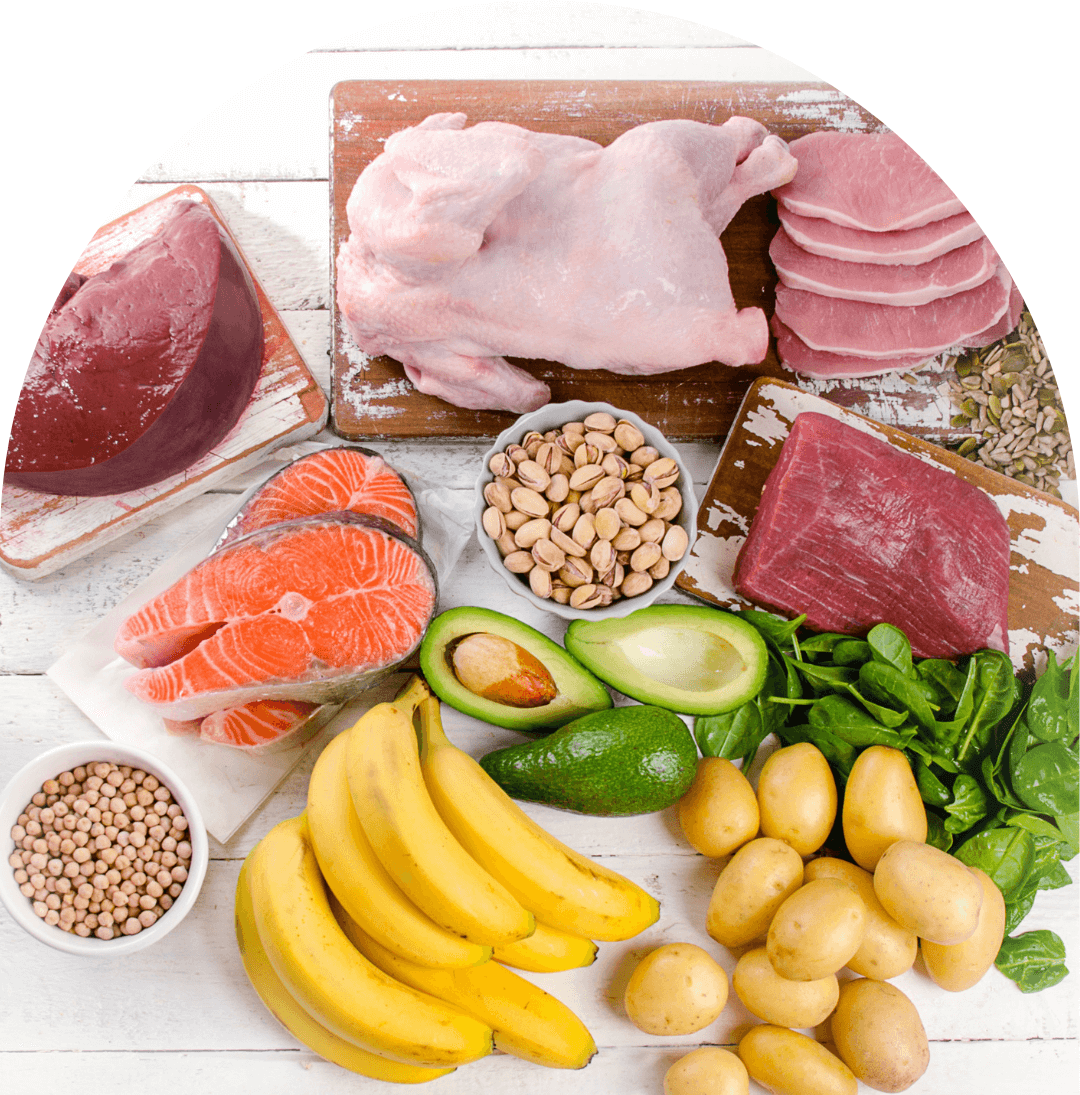
Foods rich in B vitamins: Nuts & seeds, especially sunflower seeds & pistachio nuts, sardines, salmon, turkey, poultry, eggs, grass-fed beef, lamb, bananas, avocado, spinach & dark green leafy vegetables (baby spinach, rocket, kale, bok-choy, silver beet, broccoli, brussel sprouts, mustard and collard greens), dried fruits

Tryptophan
Tryptophan is an amino acid that the body needs to produce serotonin.
Foods rich in tryptophan: turkey, nuts, seeds, beans & eggs
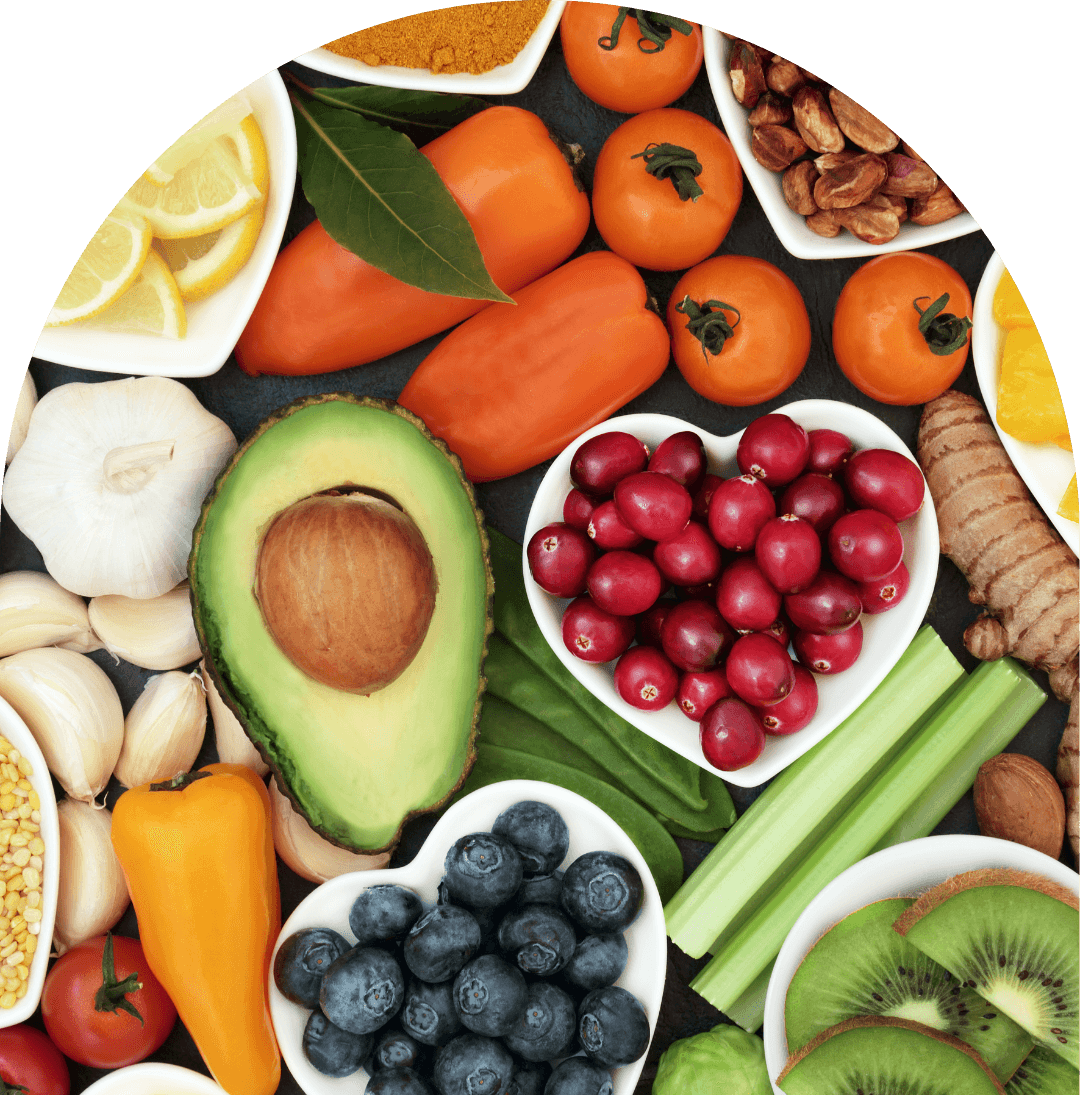
Antioxidants (Vitamin C, Vitamin E, Beta-carotene, Selenium, Zinc)
Antioxidants are super important to protect our brains from free radicals and inflammation which would otherwise interfere with neurotransmitter production and ultimately mood
Foods rich in antioxidants: blueberries, acai, carrots, sweet potatoes, squash, dark green leafy vegetables (spinach & baby spinach, rocket, kale, bok-choy, silver beet, broccoli, brussel sprouts, mustard and collard greens),, citrus, red pepper, almonds, avocado, cashews
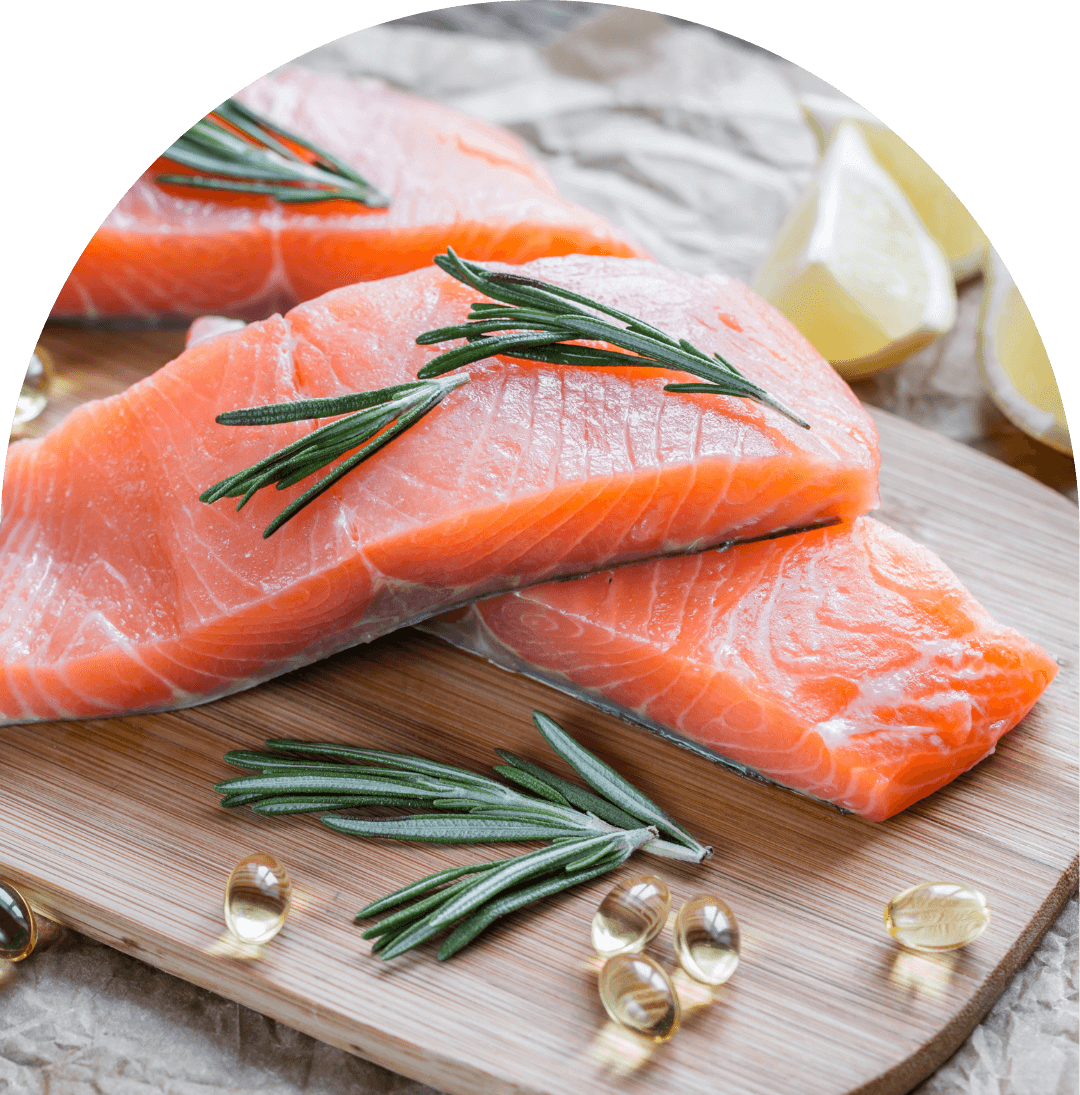
Omega-3s
Omega-3 fatty acids are essential for adequate brain development & function. They also reduce inflammation which would otherwise interfere with neurotransmitter production and ultimately mood. We must get omega’s from our food, as our bodies do not efficiently make them.
Foods rich in omega-3 fatty acids: Food sources: Salmon, sardines, white bait, mackerel, herring, halibut, linseeds, chia seeds, hemp seeds, walnuts, avocado, flaxseed/olive/sesame oil, coconut oil/milk/yoghurt, egg yolks. BUTTER (not margarine)
I’ll make it easy for you…
Focus on including avocado, nuts and seeds, salmon, grass fed meats, LOADS of greens (at lest 5 cups daily), berries, chia and hemp seeds, sweet potato, eggs, chicken and fish with a couple servings of whole grains (mostly in the form of quinoa, sprouted grain bread, gluten free oats). And not forgetting, dark chocolate
Here are some gorgeous recipes for you to try, packed full of all these gorgeous nervous system nutrients. Enjoy
Breakfast Recipe
BANANA CHOCOLATE CREPES WITH COCONUT YOGURT
INGREDIENTS
- 6 egg whites
- 2 tbsp almond milk
- ½ ripe banana, mashed
- 1 heaped tbsp raw cacao powder
- 3 tbsp desiccated coconut
- 1 tbsp psyllium husk
- 2 tbsp LSA or ground flaxseed
- 2 tbsp coconut yogurt
- 1 tsp vanilla powder
- 1 tbsp ground cinnamon
- 1 tbsp virgin organic coconut oil
- Coconut flakes & raw cacao powder to sprinkle on top
PROTEIN YOGURT FILLING:
- 2 tbsp yogurt
- 1 tbsp protein powder
- 1 tbsp plant-based milk
PREP TIME: 10 MIN | COOK TIME: 10 MIN | TOTAL TIME: 20 MIN | SERVES: 2
INSTRUCTIONS
Place the egg whites, almond milk, banana, cacao
Powder, coconut, psyllium husk, LSA or ground flaxseed yogurt, vanilla and cinnamon in a bowl and mix well.
Melt some coconut oil in a non-stick frying pan over medium heat. Pour half the batter into the pan and cook for 2 minutes, then flip and cook the other side for another 2 minutes. Remove and repeat with the remaining batter to make a second crepe.
Meanwhile, make the yoghurt filling by mixing all the ingredients together in a bowl until creamy and well combined.
Lay the crepes out flat on two plates and enjoy with the protein filling.
Sprinkle with coconut flakes and cacao powder.
Lunch Recipe
GREEN BREAD (ALTERNATIVE TO PALEO BREAD)
INGREDIENTS
- 2 cups almond meal, plus extra to coat the loaf tin
- ½ cup LSA or ground flaxseed
- ½ cup chia seeds
- 3 tbsp crushed raw almonds
- 3 tbsp psyllium husk
- 1 ½ tsp baking powder
- 1 tsp Himalayan pink
- 1 big kale leaf, stalk removed and leaf finely chopped
- 2 handfuls of baby spinach leaves, finely chopped
- 2 tbsp of flat-leaf parsley, finely chopped
- 3 eggs
- 2 tbsp extra virgin coconut oil
- 1/3 cup almond milk
- Extra virgin olive oil, to serve
PREP TIME: 15 MIN | COOK TIME: 45 MIN | TOTAL TIME: 60 MIN | MAKES: 1 big loaf
INSTRUCTIONS
Preheat the oven to 180’C (160’C fan-forced).
Combine the almond meal, LSA or flaxseed, chia seeds, almonds, psyllium husk, baking powder and salt in a large mixing bowl. Add the kale, spinach, parsley and stir well.
Whisk together the eggs, coconut oil and milk in a measuring jug.
Slowly pour the wet ingredients into the bowl, stirring until everything is well combined. If the batter is too wet, add extra almond meal, if it is too dry, add more milk.
Lightly oil a standard loaf tin (21 cm x 11 cm) with coconut oil. Then coat with some almond meal to prevent the bread from sticking.
Spoon the batter into the tin and bake for 35-45 minutes. Insert a skewer into the loaf to check if it’s cooked. If it comes out dry, it’s done. If the top is starting to brown, cover with foil and continue baking until cooked through. It will feel more solid than regular bread.
Remove the loaf from the oven and let cool completely in the tin. Cut into slices and serve with olive oil, avocado, eggs, sardines, or other desired toppings.
Keep covered in the fridge for up to 1 week or freeze it for up to 2 months.
Dinner Recipe
SUPER SALAD WITH GRILLED SALMON
INGREDIENTS
-
4 x 150 g grilled salmon
- 3 large carrots, diced
- 5 celery stalks, thinly sliced
- 2 medium tomatoes, diced
- 2 medium cucumbers, thinly sliced
- 10 small radishes, thinly sliced
- ½ medium red cabbage, thinly sliced
- 1 large red capsicum, diced
- 1 large green capsicum, diced
- 6 cups green leafy greens (rocket, spinach, swiss chard, bok choy)
- 2 handfuls of fresh herbs, thinly sliced (basil, coriander, mint)
DRESSING
- 2 tbsp flaxseed oil
- 2 tbsp lemon juice
- 1 tbsp apple cider vinegar
- 1 tbsp tamari
PREP TIME: 20 MIN | COOK TIME: 10 MIN | TOTAL TIME: 30 MIN | SERVES: 4
INSTRUCTIONS
Wash, dice and thinly slice all the vegetables and fresh herbs. Spin them in a salad spinner to remove excess moisture.
Make the dressing by mixing all the ingredients together.
Mix all the vegetables in a big bowl and toss the dressing. Serve half of the salad in two big bowls and store the other half in a big airtight container.
Add the grilled salmon on top of the salad and enjoy.
Snack Recipes
DARK CHOCOLATE AVOCADO PUDDING WITH COCONUT ICE CREAM
INGREDIENTS
-
1 ripe avocado
- 160 ml almond milk
- 2 tbsp chia seeds
- 30 g cocoa powder
- 2 tbsp maple syrup
- ¼ tsp salt
- ½ tsp vanilla powder
TOPPINGS
-
1 handful of pistachios, crushed
- 3 handfuls of fresh berries
- 3 scoops of coconut ice-cream
PREP TIME: 10 MIN | COOK TIME: 0 MIN | TOTAL TIME: 10 MIN | SERVES: 3
INSTRUCTIONS
Combine all the ingredients in a food processor and blend until smooth.
Finish with a sprinkle of sea salt and garnish with the toppings of your liking.
HEALTHIER BROWNIES
INGREDIENTS
-
1 cup walnuts
- 2 heaped tbsp raw cacao powder
- ½ cup medjool dates, pitted and chopped
- A pinch of sea salt
- ½ tsp ground cinnamon
- ½ cup quinoa puffs
- 1 tbsp virgin coconut oil
- 2 tbsp ground flaxseed
- 3-4 tbsp filtered water
TOPPINGS
-
2 tbsp almond butter
- ½ tbsp maple syrup
- 1 tbsp raw cacao powder
- Ground cinnamon, for dusting
PREP TIME: 15 MIN | COOK TIME: 30 MIN | TOTAL TIME: 45 MIN | SERVES: 8 Large brownies
INSTRUCTIONS
Place the walnuts, cacao powder, dates, salt, cinnamon, quinoa puffs, coconut oil and flaxseed in a food processor. Add 3 tbsp of water and blend until the mixture is moist and chunky, but not runny. Add 1 tbsp more of water if needed.
Line a 20 cm square baking tin with baking paper, then press the mixture firmly and evenly into the tin.
If you are adding the topping, spread the almond butter over the brownie mixture and sprinkle with the cacao powder and cinnamon.
Cover and refrigerate for at least 30 minutes. Remove from the fridge and cut the brownie into eight even bars.
Dr Miranda Myles Natural Health & Fertility, Naturopath & Acupuncturist, is passionate about working with couples in the management of their fertility issues. Miranda is dedicated to help couples achieve optimal physical and emotional health prior to conception. Miranda provides a beautifully supportive and nurturing environment to allow you to reach your optimal health goals, to enable you to achieve a successful conception, pregnancy and baby.